Resumes & Interviews
How to Write a Cover Letter That Actually Gets Read
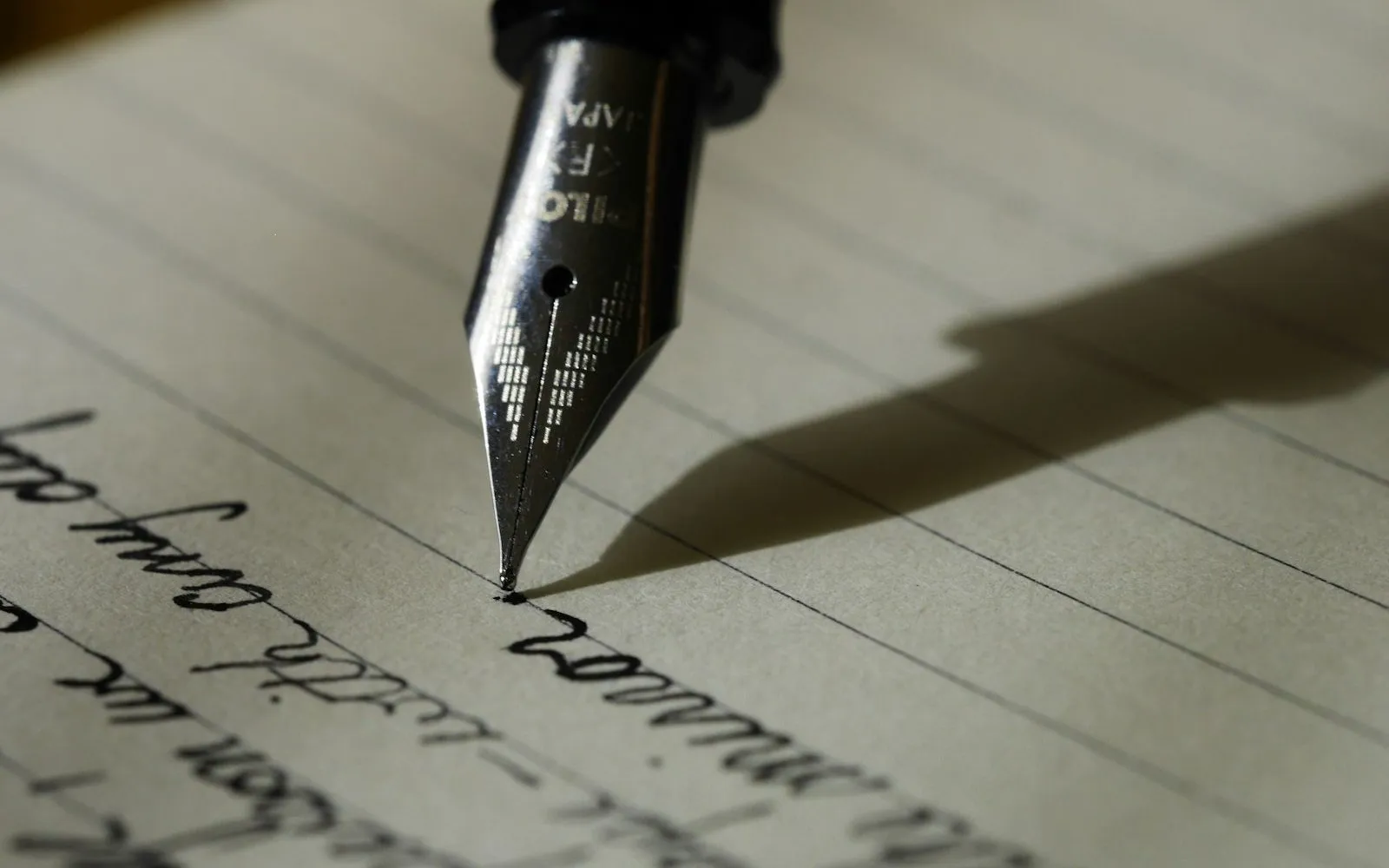
The cover letter is the most skipped document in the entire job search — not because hiring managers hate reading, but because most cover letters are written to be safe rather than read. They open with “I am writing to express my interest,” repeat the resume line by line, and end with a form-letter sign-off. A recruiter can tell in the first two sentences whether you actually read the job description or just copy-pasted.
Here’s the fix: treat the cover letter as a 150–200 word structure problem, not a writing problem. Get the structure right and you’ll produce a letter that survives the skim test.
Why most cover letters get skipped
When someone opens your application, they scan for three things. Everything else is noise:
- Can you do the job? — proof, ideally with numbers
- Do you fit this team? — specific to them, not generic
- Did you bother to customize this? — this filter catches the copy-pasters in seconds
If your letter buries those three answers under a paragraph of career history, you’ve already lost the reader in the first minute.
The 150–200 word formula
A great cover letter is shorter than a tweet thread. Budget your words like this:
- Hook: 2–3 sentences (~40 words)
- Proof: 2–3 sentences or a short bullet list (~60 words)
- Fit: 2–3 sentences (~50 words)
- Ask: 1–2 sentences (~30 words)
Total: roughly 180 words, a document that takes about 45 seconds to read. That’s the sweet spot — long enough to prove your case, short enough to actually get read.
The four-part structure
1. Hook
Open with why this role, not why you want a job in general. Name the team, the product, or the problem they’re publicly trying to solve.
Before: “I am writing to apply for the Marketing Manager position at your company.”
After: “Your team’s push into self-serve signups is the exact problem I spent two years solving on a smaller stage.”
The second sentence earns the next paragraph. The first one doesn’t.
2. Proof
Include one or two accomplishments, with numbers, that match what the job description actually asks for. Don’t repeat your resume — the letter should add the “so what” your resume can’t fit.
“I rebuilt the onboarding flow; activation went from 18% to 31% in one quarter.”
That sentence tells them you’re results-driven, glad-handle-free, and worth an interview. If you’ve documented the impact for past work, you’re the kind of person who will do the same for them — and eventually for that raise conversation.
3. Fit
One paragraph showing you understand how this team operates. Reference something specific: a recent launch, a blog post, a detail buried in the job description. This is where “I noticed X” does more work than “I’m passionate about Y.”
Example: “I noticed your support team publishes its playbooks publicly — I’d bring the same documentation habit to your onboarding work.”
4. The Ask
End with a specific next step so the reply is easy: “I’d welcome 20 minutes to walk through how that activation work could apply to your Q2 roadmap.” A confident, specific ask reads like someone who knows what they’re offering.
Three before-and-after examples
The generic applicant
Before: “I am writing to apply for the Customer Success Manager position. I have five years of experience and a track record of happy clients.”
After: “Your third-month churn problem is the one I’ve been solving for five years. At Finly, I cut onboarding churn from 22% to 9% by rebuilding the welcome sequence. Here’s how that would map onto your pricing tiers.”
The career changer
Before: “Although I don’t have direct experience in product, I am a fast learner and very passionate about your company.”
After: “You’re hiring a product writer, not a journalism degree. I’ve written the support articles your customers quote back to us — here’s a sample API doc I wrote this week if you want to see how I think on the job.”
The internal mover
Before: “As you know, we’ve worked together for three years, and I’d like to request a transfer.”
After: “In three years on support, I’ve filed 40-plus bugs that shipped. Moving internal is my shot at the product side I’ve been documenting all along.”
Same candidate, same facts — a different letter that actually gets read.
A fill-in-the-blank template
- Hook line: [The specific reason this role or team made me write to you]
- Proof: [One accomplishment with a number] — [what that number meant for the business]
- Fit: [One thing I noticed about how you work / one problem in the job description]
- Ask: [A specific next step: a 20-minute call, a portfolio review, a sample task]
Customize all four lines per application. If the filler text stays the same, you’re back to the skip pile.
Before you hit send
- Read it aloud — if a sentence makes you wince, cut it
- No typos, no wrong company name, no “Dear Sir/Madam”
- Use “Dear [First Name]” when you know it — recruiters notice care
- Export to PDF and name it
yourname-company-cover-letter.pdf
The takeaway
The cover letter that gets read is short, specific, and built on proof. Write to the person, not the position — your resume gets you screened, but the cover letter is what gets you remembered.
Explore more career tips on Buzzlefy — including how to write a resume that beats ATS keyword filters and how to find genuinely remote roles in 2026.
Cover letter FAQ
How long should a cover letter be? Keep it between 150 and 200 words. That’s long enough to make a specific case and short enough that a recruiter will actually finish it.
Should I write a cover letter if the application says it’s optional? Yes, but only a strong one. A short, specific letter is a tiebreaker when two candidates have similar resumes — a weak one does more harm than an omission.
Should I repeat my resume in the cover letter? No. The letter should add what the resume can’t fit: the context behind one or two numbers and why this specific team fits. Repetition is what gets letters skipped.
About the author
Buzzlefy Team writes practical, research-backed guides on jobs, skills, and career growth for Buzzlefy readers around the world.